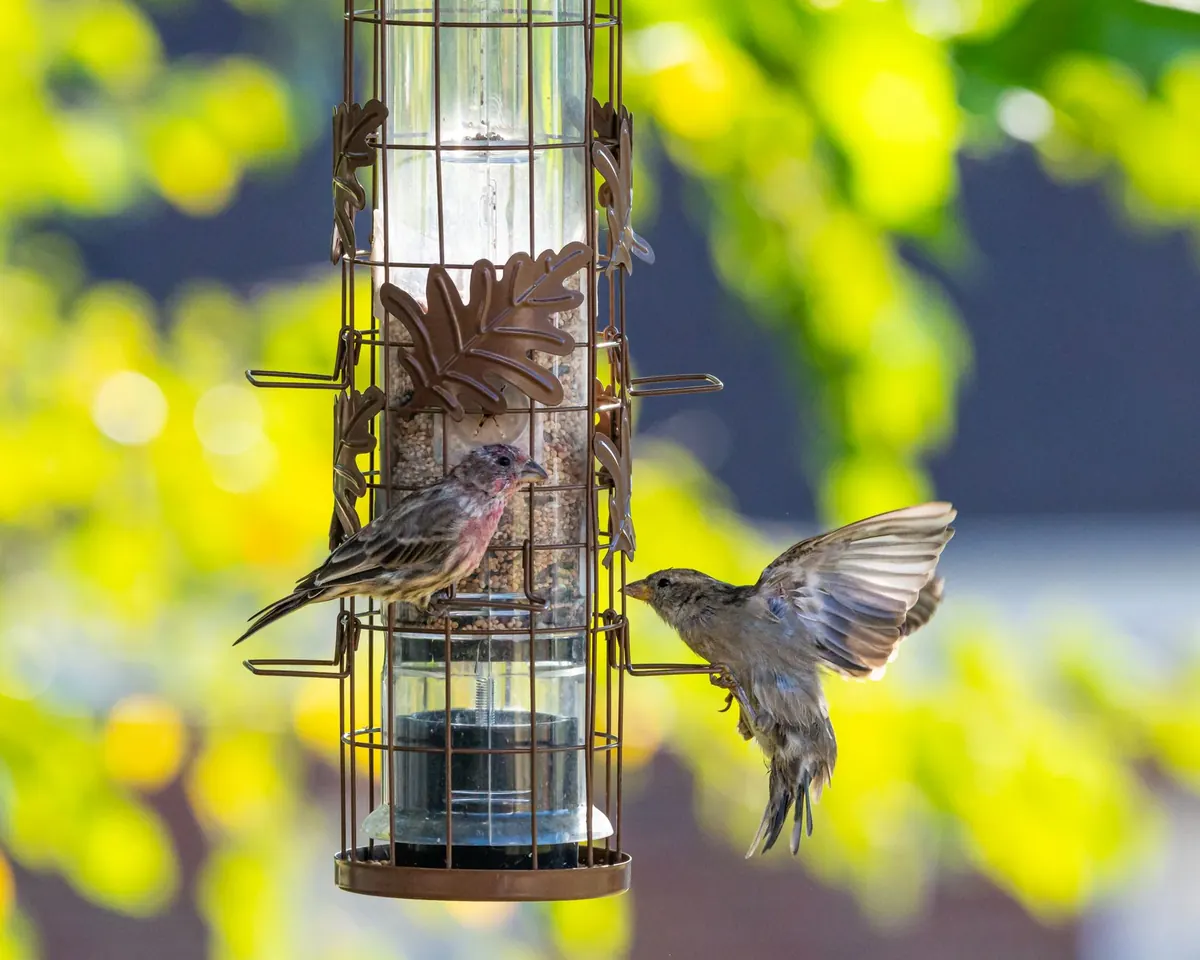
How to Start a Garden Bird List: A Beginner’s Guide to Recording Daily Sightings
A practical guide to starting a garden bird list: what to count, how to log species, dates, weather and behaviour, and how to turn daily notes into useful records.
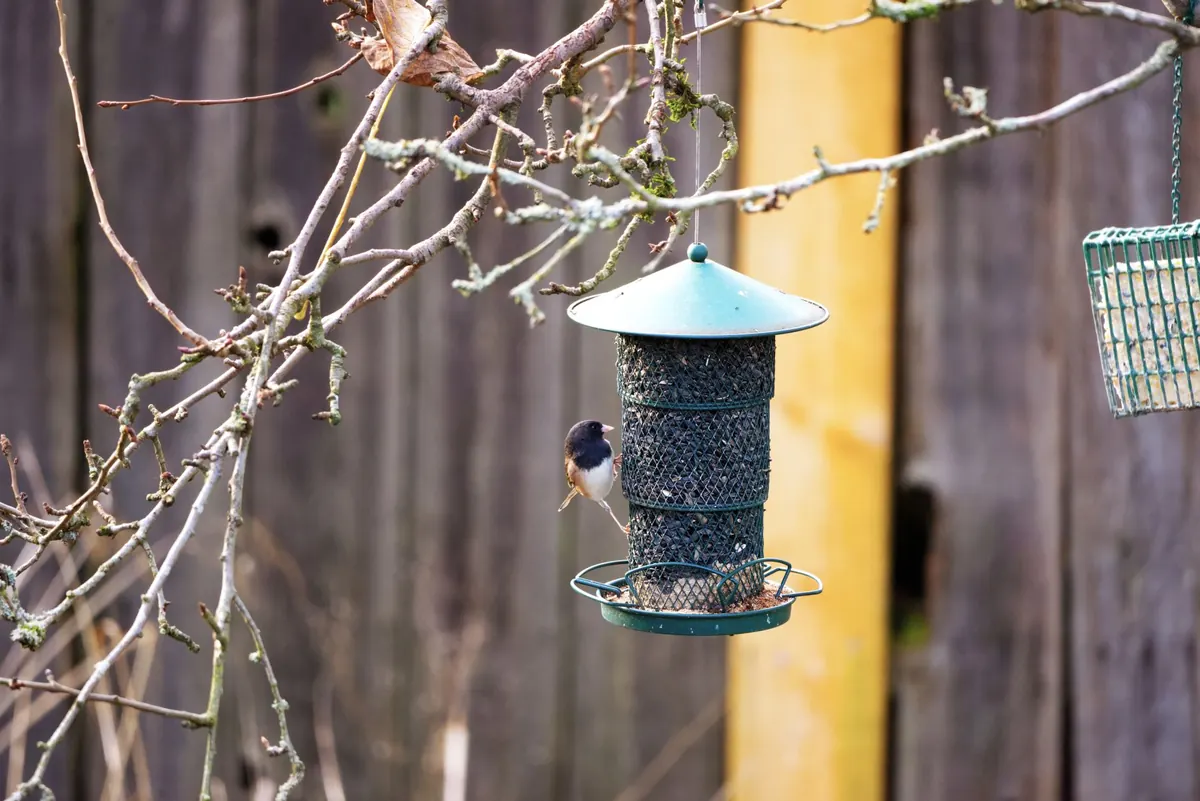
Most garden lists start by accident. A blue tit lands on the feeder, you wonder whether it is the same bird as yesterday, and you begin paying attention. A few weeks later there is a notebook on the windowsill with dates in it. That is the whole trick: the list does not need to be ambitious to be worth keeping. What follows is how to set one up so the entries still make sense in five years' time.
Decide What Counts Before You Start
Most disagreements about garden lists are really disagreements about boundaries, so settle yours early and write the decision at the front of the notebook. It saves a lot of second-guessing later.
- Your patch. Is it the garden only, or everything visible from it? Someone in a flat may be watching rooftops, a street tree and a slice of sky. Draw the line wherever you like, then keep it there.
- Flyovers. A grey heron crossing the roof once a month is a good record. So is a flock of fieldfares heading west. Decide whether birds that never land count, and stick to that decision.
- Heard-only birds. A tawny owl calling at dusk counts even if you never see it. Write "heard only" so the record stays honest.
- Two lists, not one. Most people end up keeping a running species list for the garden, with dated notes underneath. The second is far more interesting than the first.
None of these choices is right or wrong. Consistency is what makes a list readable later.
Choose How You Will Record It
Paper is the easiest start. A hardbacked notebook and a pencil by the window beat any system you have to remember to open. Write the date at the top of each page and add lines as birds appear.
A spreadsheet suits anyone who likes totals. Give yourself a column for date, time, species, count, weather and notes, and you can sort by species or by month without any effort at all. The BTO's BirdTrack and eBird both accept garden records, if you would rather type straight into a scheme that puts your sightings to wider use.
A simple column layout
Date, time, species, count, weather, behaviour, notes. Seven columns is enough for a garden. Anything more elaborate tends to go unused by February.
What to Write Down for Every Bird
Species and date are the minimum, but the extra fields are what turn a tick into a record worth reading again.
- Species. Use the common name in full the first time. If you are unsure between two similar species, write "probable" and note what you saw.
- Date and time. Date always. Time matters most for early mornings, late evenings and anything unusual.
- Count. "Four" rather than "some". With tits and finches, try to judge how many individuals are present rather than how many visits you noticed.
- Weather. Conditions at the time, plus anything recent that might explain a change: a hard frost, a gale, three days of rain.
- Behaviour. Feeding, singing, squabbling, nest-building, alarm-calling, carrying food.
- Notes. The odd things. A sparrowhawk that missed. A blackbird bathing under a dripping tap.
Weather and Behaviour: The Details That Make a Record
Weather
Write down more than "sunny". Note temperature if you know it, cloud cover, wind strength and direction, and whether there is frost or snow on the ground. Weather explains a great deal of what you see. Cold snaps push thrushes and redwings into gardens, long dry spells send birds to a bird bath, and a spell of easterlies can drop something unexpected into an inland garden. Without the weather column, those days simply look random.
Behaviour
A bird on the feeder and the same species singing from the hedge are different records, and both are worth having. Note the first song of the season, the first juvenile begging for food, the first bird carrying nesting material. The difference between a bird passing through and one that has settled is often obvious in this column: a warbler feeding quietly in the shrubbery for twenty minutes reads very differently to a flock that drops in, feeds and moves on.
Make It a Daily Habit
Ten minutes is plenty. The two best windows are the first hour after dawn and the hour before dusk, when birds feed hardest. If you can only manage one, take the morning.
Work in the same order each time: feeder first, then the hedge line, then the sky. Note what is missing as well as what is present. A silent garden in August tells you something, and so does an empty feeder in late summer.
Keep the count honest. On a busy morning it is tempting to add up visits and call them individuals; two blue tits that come and go twenty times are still two blue tits.
Resist the urge to chase rarities in the first month. A plain, thorough baseline of the ordinary birds is the most valuable thing you can build, because it is the thing you will compare everything else against.
Putting the List to Work
After a few months, start reading backwards. Which species arrived first in spring? When did the swifts leave? Have the numbers of house sparrows on the feeder shifted since you began? These are the questions a dated list answers and a bare species list cannot.
Garden records are also useful beyond your own window. Long-running schemes such as the BTO's Garden BirdWatch depend on ordinary gardens, and submitting records to BirdTrack or to your county bird recorder helps build a picture of how birds use gardens across the country. You do not have to send something every day. A weekly summary beats nothing.
One last thing: back up the spreadsheet now and then, or photograph the notebook pages. Losing two years of notes to a spilled mug of tea is a genuine grief.
Start With Tomorrow Morning
Put a notebook and pencil by the window tonight. Tomorrow, before you do anything else, spend ten minutes looking out and write down what you see: species, date, count, weather, behaviour.
That is the first entry. Everything else — the patterns, the comparisons, the surprises — comes from simply adding the next one.
Photo: DANNIEL CORBIT / Pexels