Seasonal Sightings: What to Watch for in a British Autumn
A month-by-month guide to British autumn birding, from September wader passage to November wildfowl arrivals, plus how wind and weather shape what you see.
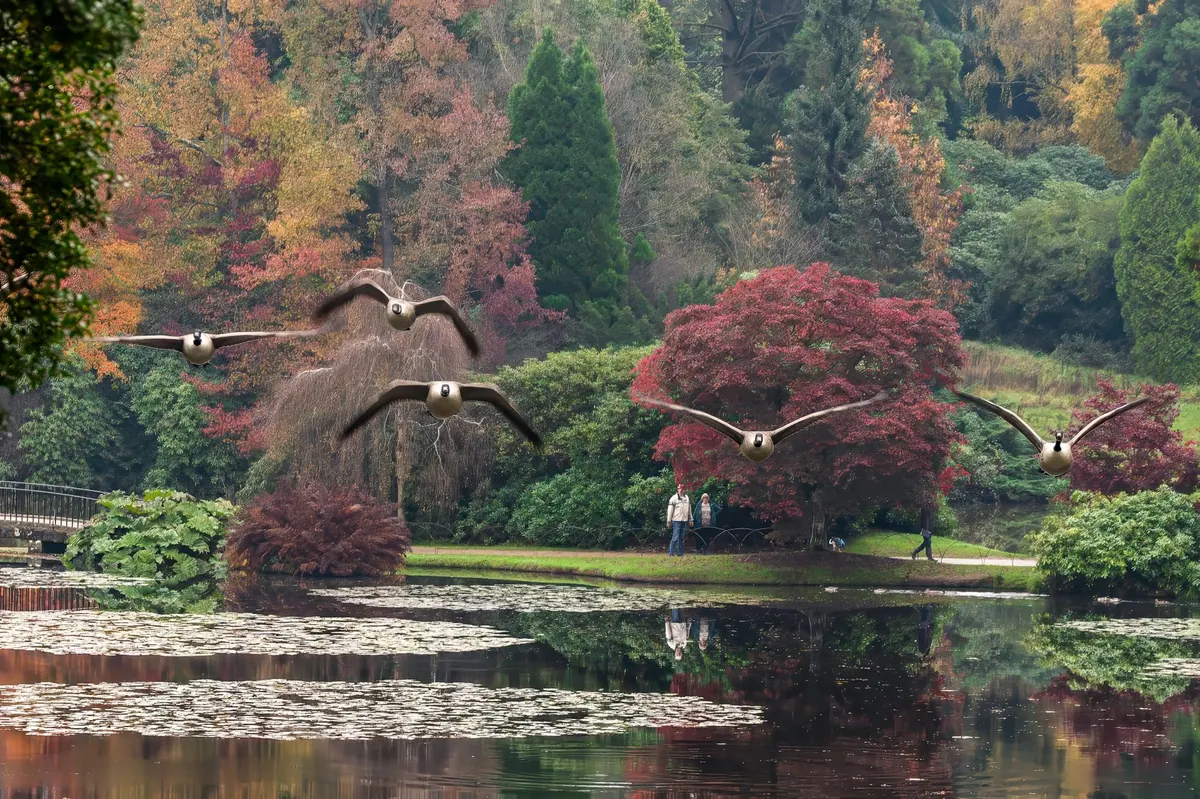
Autumn in Britain rarely announces itself. One morning the swallows have gone from the wires, the blackberries are past their best, and there is a thin, high call after dark that you half-hear and cannot place. Then, over the following ten weeks, the country fills up again as birds pour in from Scandinavia, Iceland, Arctic Russia and the Low Countries, riding winds you can learn to read.
What follows is a month-by-month guide to that movement, with notes on how local weather changes what turns up. None of it needs expensive kit or a long drive. Most of it happens above your head, on the estuary at the end of the road, or in the sodden corner of a country park.
September: waders, warblers and the first geese
Early autumn is quiet to the eye and busy underfoot. Juvenile waders dominate the estuaries — curlew sandpipers still carrying a peachy wash, little stints working the weed-line, ruffs and greenshanks on the mud. Inland, falling water levels expose new edges on gravel pits and reservoirs, and green sandpipers and common sandpipers appear on them almost overnight.
In the scrub it is a month of restless, half-seen birds: whinchats on fence posts, wheatears on short turf, redstarts and spotted flycatchers flicking through sycamores. Chiffchaffs and willow warblers drift through in good numbers, and the first yellow-browed warblers usually reach the east coast from late September.
Visible migration begins in earnest on clear mornings. Stand on a ridge, headland or high point for the first two hours after dawn and you will see meadow pipits, skylarks, swallows and martins, and often the first redwings calling overhead. Pink-footed geese arrive from Iceland through the second half of the month, and their yelping is one of the best sounds of the season, whether you catch them in the air or on the fields at first light.
October: thrushes in the dark and falls on the east coast
This is the month the sky gets noisy. Redwings and fieldfares cross the North Sea on clear nights, and you can hear them over towns and gardens as thin, high tseep calls. By day they strip hawthorn and rowan hedges along the coast before spreading inland.
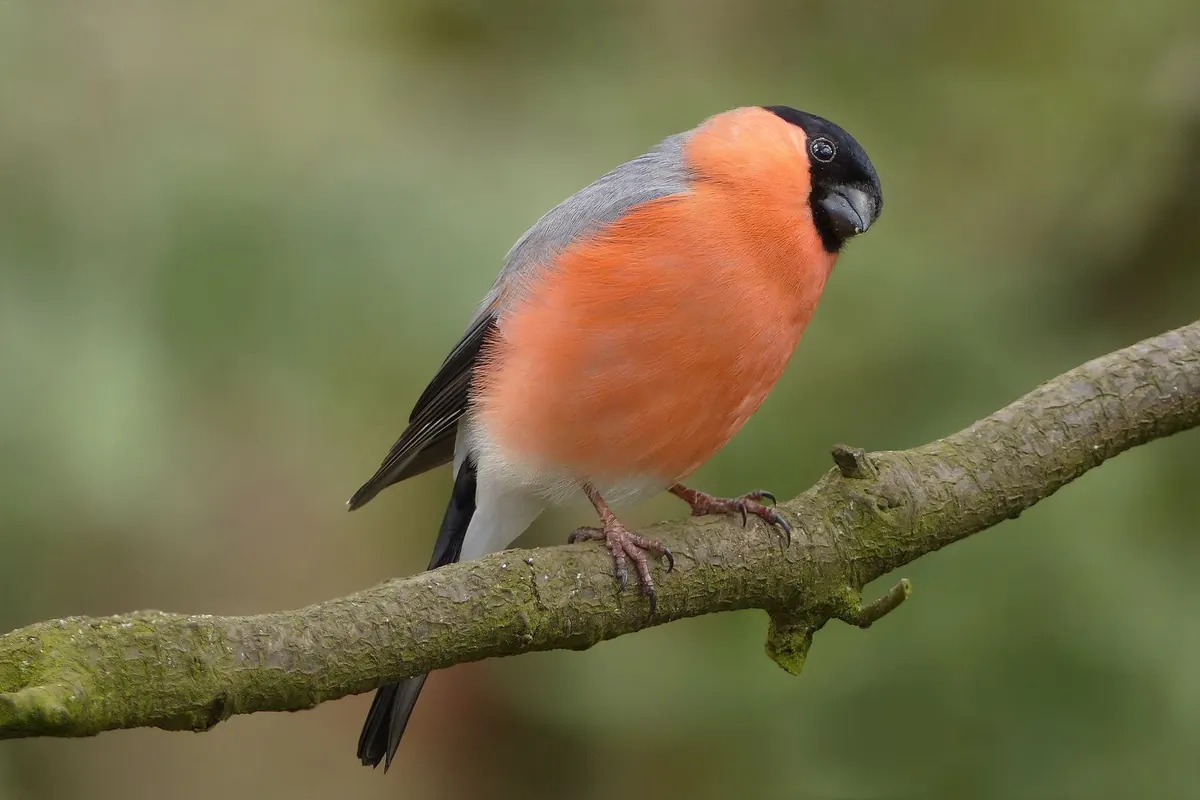
Finch flocks change character too. Bramblings appear among chaffinches in beech woods and stubble, and siskins and redpolls move into alder and birch. Watch any coastal hedge or sheltered garden for a few days and you will notice that arrivals come in waves rather than as a steady trickle.
The classic autumn experience is a fall on the east coast. Easterly winds, low cloud and drizzle push migrants against the coast, and birds drop into the first cover they find. That can mean dozens of goldcrests and robins in a single sycamore, and occasionally something scarcer among them. Even a modest inland hedgerow can reward you after a wet, easterly night.
- Listen before you look: most of October's arrival happens in the dark, and calls give the game away.
- Check sheltered valleys and gorse, not just exposed headlands.
- Work a hedge slowly and quietly; tired migrants sit tight.
November: wildfowl, owls and hard weather
By November the emphasis shifts to water. Wigeon, teal, shoveler and gadwall build up on reservoirs, floods and estuaries; goldeneye and goosander follow later in the month. Whooper swans arrive from Iceland and provide one of the easiest spectacles of the year — family parties bugling across a gravel pit at dusk.
Estuary counts climb: dunlin, knot, grey plover, bar-tailed godwit and shelduck spread across the mud as the tides push them around. Short-eared owls and hen harriers come in to coastal roosts in the late afternoon, and starling murmurations begin to gather properly. If the berry crop fails further north, waxwings may appear from now on, usually on rowan in retail parks and housing estates.
Cold snaps matter. A run of hard frosts freezes shallow pools and moves ducks onto larger waters and estuaries, so a reservoir that looked empty in October can be busy by the end of the month.
Reading the weather
Autumn birding is, more than anything, a study in wind direction. Check the forecast the night before and pick your site accordingly.
- Light easterlies with rain or low cloud: drift migrants and falls on the east coast. Head for sheltered coastal cover.
- Clear nights and light winds after a front: strong visible migration at dawn. A ridge, headland or estuary mouth.
- North-westerly gales: seabirds close inshore and blown onto inland reservoirs. Check the nearest large water the following morning.
- Cold northerlies: thrushes, geese and wildfowl arrive in waves. Reservoirs, estuaries and stubble fields.
- Mild south-westerlies: quiet on the ground, though hirundines and warblers may linger late. Often a good time for the last insects of the year.
- Fog and mist: grounds whatever is moving. Work hedges, gardens and the tideline.
Tide times matter as much as wind on an estuary. Two hours either side of high water concentrates waders on the remaining mud or pushes them onto fields — and the birds follow the water, not your schedule.
Getting the most from an autumn morning
Get out early. The first two hours after dawn are worth more than the rest of the day put together, especially after a clear night or a change in wind. Take binoculars, a notebook and a flask, and leave the camera in the bag until you have watched the movement for a while — you will learn far more from a hundred silhouettes than from one photograph.
Learn a few calls. Redwing, fieldfare, brambling, siskin and pink-footed goose all announce themselves long before you see them, and a quick recording of a flock overhead can be identified later. Keep a simple list of what you see and where, noting wind direction and time of day. After a couple of seasons you will start to predict your own good days.
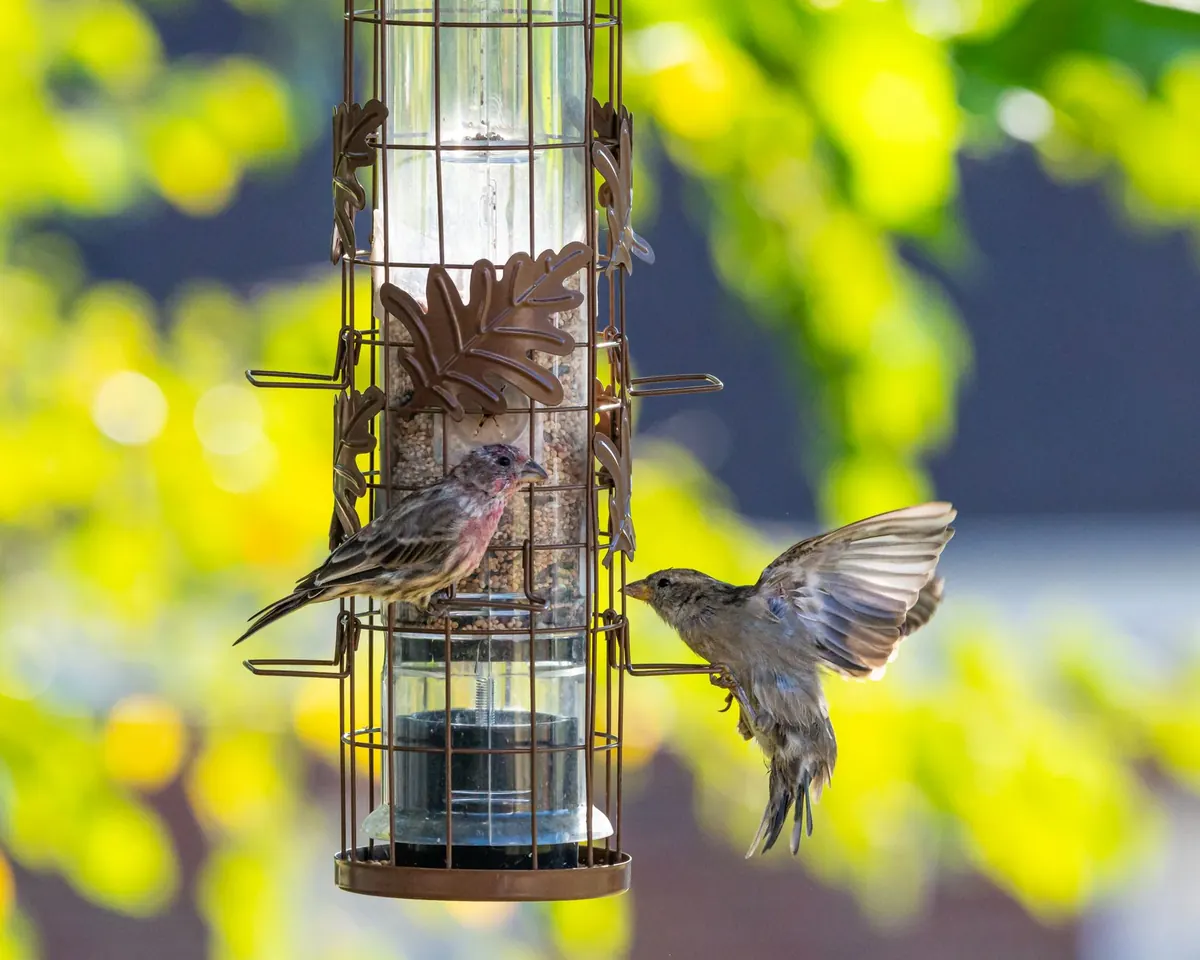
Finally, look after the birds in your own space. As the cold sets in, a clean, well-stocked feeder and an unfrozen dish of water are genuinely useful, and a garden list in November can be surprisingly good. Check tide times and the weather before heading to the coast, tell someone where you are going, and give roosting birds plenty of room — an owl pushed off its roost has lost valuable daylight.
Photo: Ar kay / Pexels